
Introduction
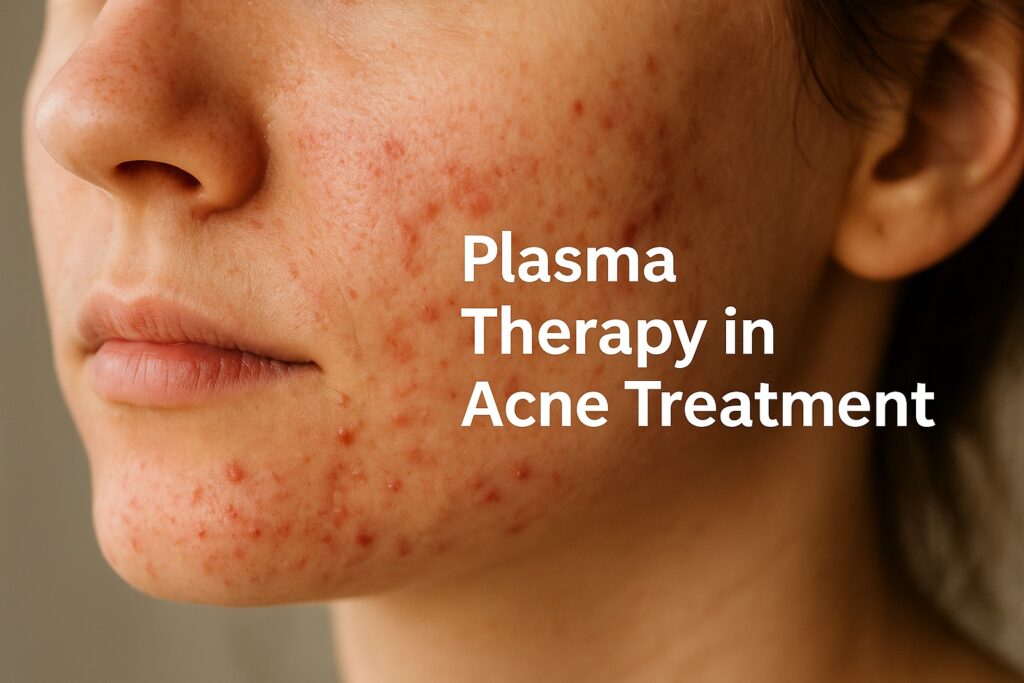
Acne is one of the most common skin conditions worldwide, affecting nearly 85% of people at some point in their lives. While traditional treatments such as topical creams, oral medications, and laser therapies are widely used, patients often search for faster, less invasive, and more effective solutions. In recent years, plasma therapy has gained attention in dermatology clinics as a revolutionary approach for acne and acne scar treatment. But is it truly a scientific breakthrough, or just another marketing trend?
What Is Plasma Therapy?
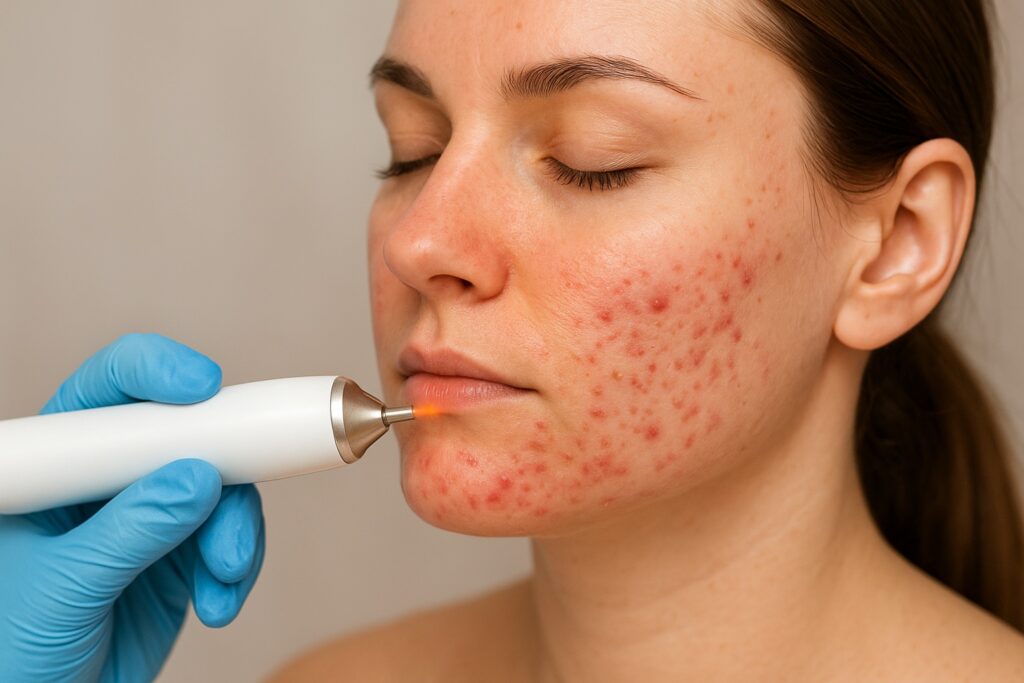
Plasma is often referred to as the “fourth state of matter,” existing alongside solid, liquid, and gas. In dermatology, different types of plasma technologies are applied:
- Plasma Jet – A high-energy plasma stream targeting specific skin areas.
- Cold Atmospheric Plasma (CAP) – Plasma generated at low temperatures, safe for skin application.
- Dielectric Barrier Discharge (DBD) Plasma – A controlled plasma discharge used for surface-level treatment.
These plasma types are increasingly marketed as non-invasive tools for skin rejuvenation, acne management, and scar reduction.
How Does Plasma Therapy Work on Acne?
The effectiveness of plasma therapy comes from its unique biological effects:
- Antibacterial Properties – Plasma generates reactive oxygen and nitrogen species that kill Cutibacterium acnes, the bacteria responsible for acne breakouts.
- Anti-Inflammatory Action – Plasma reduces redness, swelling, and irritation, promoting calmer skin.
- Collagen Stimulation – The therapy triggers fibroblast activity, leading to skin regeneration and improved acne scar healing.
This multi-action approach makes plasma therapy appealing as both a treatment for active acne and a solution for long-term scarring.
What Does Science Say?
Scientific studies provide a growing body of evidence for plasma therapy:
- Clinical research has shown significant reductions in acne lesions after several plasma sessions.
- Some trials indicate improved skin texture and reduced oil production.
- Early studies suggest plasma can enhance wound healing, which benefits patients with acne scars.
However, most studies are still small-scale, with limited sample sizes. Long-term effectiveness and safety require further research.
Claimed Benefits by Clinics & Advertisements
Many dermatology clinics promote plasma therapy as a cutting-edge solution. Commonly advertised benefits include:
- Faster healing compared to conventional treatments.
- Minimal downtime and discomfort.
- Safe for most skin types.
- Visible improvement in acne scars after several sessions.
While these claims are appealing, they may not reflect every patient’s experience.
Potential Risks and Limitations
Like any cosmetic procedure, plasma therapy has limitations:
- Temporary Side Effects: Redness, swelling, or dryness may occur.
- Lack of Standardization: Devices and techniques vary widely among clinics.
- Not a Miracle Cure: Severe cystic acne often requires additional medical treatment.
Patients should always consult a certified dermatologist before undergoing plasma therapy.
Plasma Therapy vs. Other Acne Treatments
- Plasma vs. Laser Therapy (e.g., CO₂ laser): Plasma is less invasive and involves shorter recovery, but lasers may provide deeper skin resurfacing.
- Plasma vs. Microneedling: Both stimulate collagen, but plasma adds antibacterial effects.
- Plasma vs. Medications: Oral and topical drugs treat acne internally and externally, while plasma focuses more on surface and scar repair.
Each method has its advantages, and in many cases, plasma therapy can complement rather than replace traditional treatments.
Patient Experiences & Market Trends
Patient testimonials highlight visible improvements in acne scars and smoother skin texture after plasma therapy. Some report fewer breakouts and increased confidence.
On the market side, plasma-based devices are becoming increasingly popular in dermatology and aesthetic clinics. Even home-use plasma gadgets are being introduced, although their safety and effectiveness remain under question.
Conclusion
Plasma therapy presents a promising innovation in acne management. Its antibacterial, anti-inflammatory, and skin-regenerating properties offer real benefits for patients struggling with breakouts and scars. However, current evidence, while encouraging, is not yet sufficient to declare plasma a universal cure.
For patients, plasma therapy can be a valuable addition to acne treatment plans—especially when guided by a qualified dermatologist. It may not replace traditional treatments, but it represents an exciting step toward the future of dermatological care.
FAQs
1. What is plasma therapy for acne?
Plasma therapy is a non-invasive treatment using cold plasma energy to kill acne-causing bacteria, reduce inflammation, and promote skin healing.
2. Is plasma therapy effective for acne scars?
Yes, plasma therapy stimulates collagen production, which helps improve acne scars over time, though multiple sessions are usually required.
3. Are there side effects of plasma therapy for acne?
Most side effects are mild and temporary, such as redness, swelling, or dryness. Severe reactions are rare when performed by professionals.
4. How many plasma therapy sessions are needed for acne?
The number of sessions varies depending on acne severity, but patients often need between 3 to 6 treatments for noticeable improvement.
5. Is plasma therapy better than laser for acne?
Plasma therapy is less invasive and requires less downtime, but laser treatments may provide deeper resurfacing for severe acne scars.