
Introduction
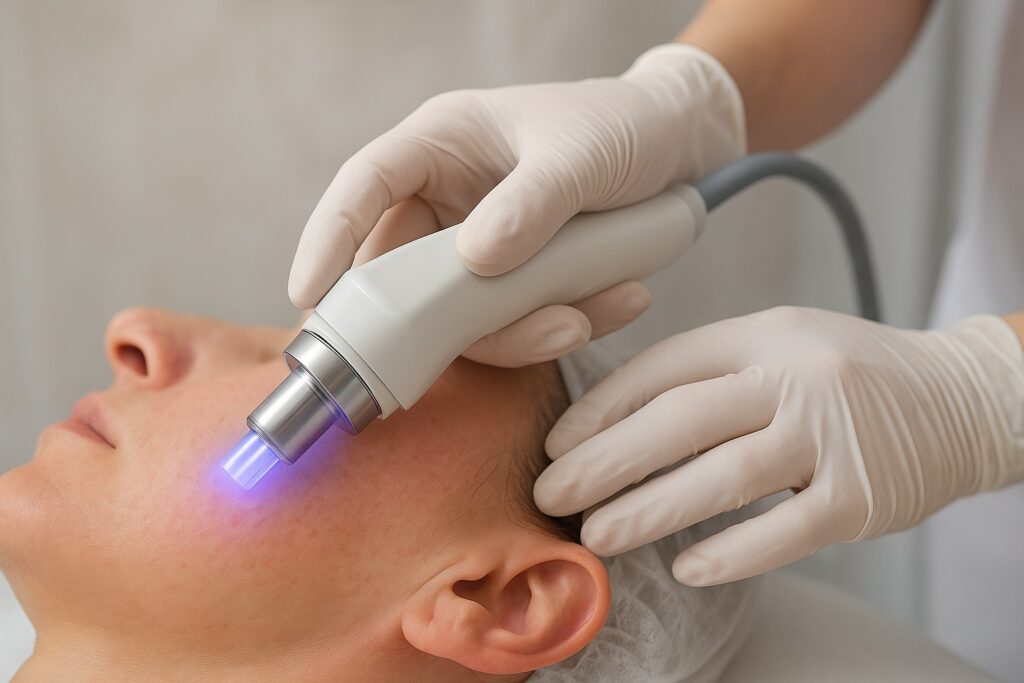
Dielectric Barrier Discharge (DBD) Plasma is one of the most exciting breakthroughs in modern medical technology. Often referred to as “cold plasma,” it represents a non-thermal form of plasma that can safely interact with living tissue — unlike the high-temperature plasma used in industry. In recent years, DBD plasma has attracted significant attention in dermatology, wound healing, dentistry, and even infection control due to its remarkable sterilizing, regenerative, and anti-inflammatory effects.
What Is DBD Plasma?
DBD plasma is a type of non-thermal plasma generated between two electrodes separated by a dielectric (insulating) barrier. When a high-voltage alternating current passes through, the gas (typically air, helium, or argon) becomes ionized, creating a partially charged state known as plasma — the fourth state of matter.
The key advantage of DBD plasma is that it operates at room temperature, meaning it can be safely used on human skin and tissues without causing burns or thermal damage.
How Does DBD Plasma Work in the Human Body?
When DBD plasma comes in contact with biological tissue, it produces a variety of reactive oxygen and nitrogen species (RONS), UV photons, and electric fields.
These elements have multiple beneficial biological effects:
- ⚡ Antibacterial and antiviral activity: kills bacteria, viruses, and fungi by damaging their membranes and DNA.
- 🌱 Stimulates cell regeneration: encourages fibroblast activity and collagen synthesis, accelerating wound healing.
- 💧 Improves blood microcirculation: enhances oxygen delivery and tissue regeneration.
- 🦠 Reduces inflammation: decreases local inflammatory mediators.
- 🧴 Promotes skin rejuvenation: supports cellular turnover and improves texture and tone.
Applications of DBD Plasma in Modern Medicine
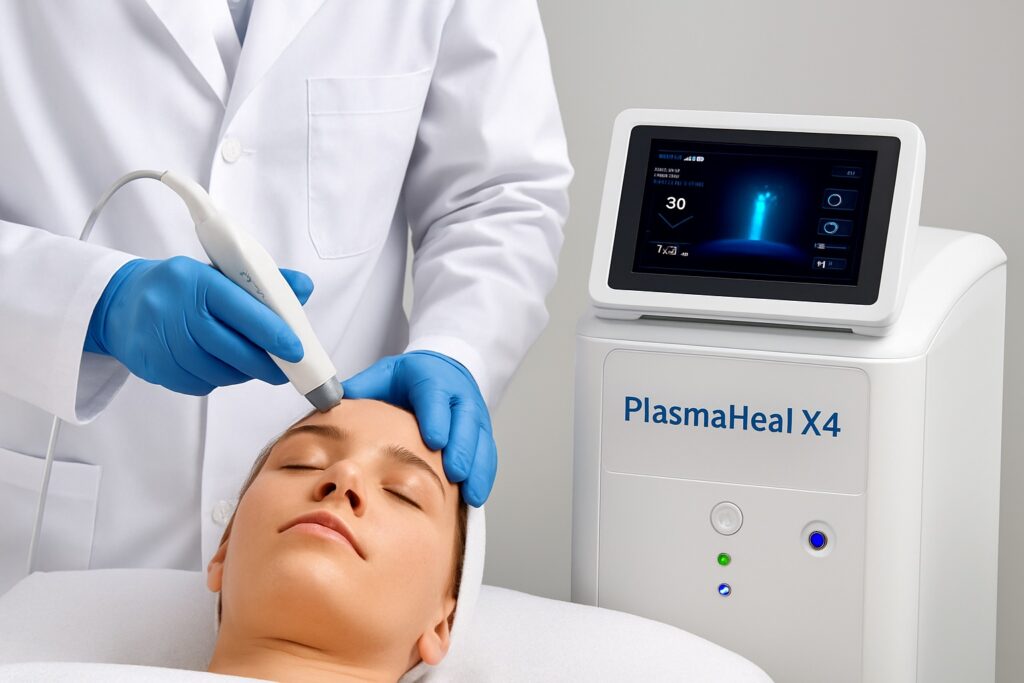
DBD plasma is now used across various medical and aesthetic fields:
🔹 1. Dermatology and Aesthetics
- Treatment of acne, scars, hyperpigmentation, and wrinkles
- Skin rejuvenation and tightening (Plasma Facial)
- Sterilization of acne-causing bacteria without chemicals
🔹 2. Wound Healing
- Used for diabetic ulcers, chronic wounds, burns, and post-surgical healing
- Accelerates tissue repair by enhancing fibroblast proliferation and angiogenesis
🔹 3. Infection Control
- Destroys pathogens without antibiotics, reducing antimicrobial resistance
- Used in hospitals and clinics for disinfecting surfaces and instruments
🔹 4. Dentistry
- Disinfection of root canals and oral wounds
- Promotes healing after dental surgery
🔹 5. Orthopedics and Pain Management
- Reduces inflammation and supports tissue recovery after injuries
- Helps in the management of joint and muscle pain
Advantages of DBD Plasma Treatment
- ✅ Non-invasive and painless
- ✅ No downtime or bleeding
- ✅ Drug-free disinfection
- ✅ Accelerated tissue healing
- ✅ Safe for repeated use
Safety and Side Effects
Clinical studies have confirmed that cold DBD plasma is safe for human use when applied properly.
Possible minor side effects may include:
- Temporary redness or tingling
- Mild dryness of the treated area
These effects are typically short-lived and subside within hours.
Future of DBD Plasma in Medicine
Researchers are exploring new frontiers of DBD plasma, including its use in:
- Cancer therapy (plasma-induced apoptosis in tumor cells)
- Antimicrobial-resistant infections
- Regenerative medicine (stimulating stem cells and tissue engineering)
As the technology advances, portable and cost-effective devices like PlasmaHeal X4 are making DBD plasma therapy accessible to clinics worldwide.
Frequently Asked Questions (FAQ)
What does “DBD” stand for?
DBD stands for Dielectric Barrier Discharge, a process used to generate plasma between two electrodes separated by an insulating barrier.
Is DBD plasma the same as laser or radiofrequency treatment?
No. Unlike lasers or RF, DBD plasma uses ionized gas and reactive molecules rather than heat to achieve biological effects, making it gentler on tissues.
How many sessions are needed for visible results?
For skin rejuvenation or acne, most patients notice improvement after 2–3 sessions. Chronic wound treatments may require 4–6 sessions depending on severity.
Is DBD plasma treatment safe for sensitive skin?
Yes, it is generally safe for all skin types, including sensitive skin, when used with proper medical-grade devices.
Can DBD plasma replace antibiotics?
While it cannot completely replace antibiotics, DBD plasma can significantly reduce bacterial load and enhance the body’s natural healing process — helping reduce antibiotic use.
How is DBD plasma different from PRP (Platelet-Rich Plasma)?
DBD plasma is a device-based technology, while PRP uses the patient’s own blood. Both can complement each other for enhanced results in skin and wound therapies.
Conclusion
DBD Plasma represents a transformative step forward in medical science — merging physics and biology into a single therapeutic tool. Its ability to sterilize, regenerate, and heal without pain or medication makes it one of the most promising innovations in modern healthcare and aesthetic medicine.