
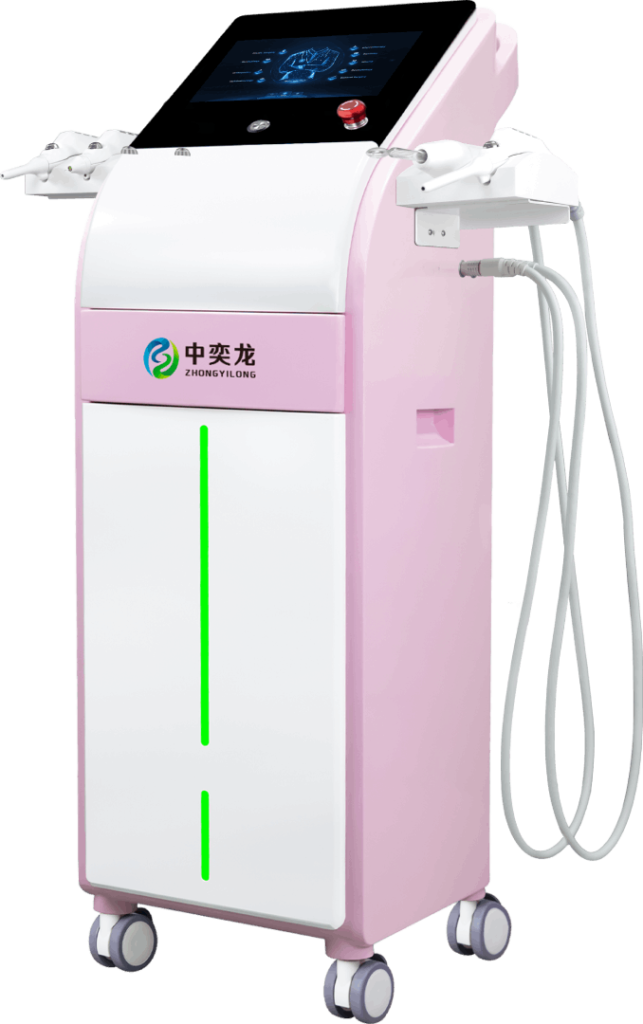
Modern aesthetic and dermatological clinics are increasingly adopting plasma-based technologies as a minimally invasive alternative to surgical and laser procedures. Among these, the PlasmaHeal X4 has become a preferred choice due to its multi-functional design, advanced plasma arc control, and consistent clinical outcomes.
This guide provides clinics with a clear, practical, and evidence-based overview of how to choose the PlasmaHeal X4 and how to integrate it safely and effectively into clinical workflows.
1. Understanding PlasmaHeal X4 Technology
The PlasmaHeal X4 uses a high-frequency electrical arc to generate a controlled plasma discharge above the skin surface. This plasma energy:
- Sublimates (evaporates) superficial tissue
- Stimulates fibroblast activity
- Tightens loose skin
- Triggers natural wound-healing processes
Because the device operates without direct skin contact, it reduces risk while achieving noticeable improvement in:
- Skin tightening
- Non-surgical eyelid lifting (blepharoplasty alternative)
- Wrinkle reduction
- Scar remodeling
- Removal of benign skin lesions
- Dental and oral-tissue treatments (depending on clinical protocols)
2. Key Factors to Consider When Selecting PlasmaHeal X4
Clinics should assess the following criteria before purchasing or integrating the device:
✔ 1. Treatment Range and Multi-functionality
The X4 model is engineered to support multiple clinical applications, which helps clinics expand services without multiple devices.
✔ 2. Energy Stability and Precision
The PlasmaHeal X4 features micro-controlled arc generation for consistent performance—important for delicate areas such as eyelids.
✔ 3. Safety Certifications
Check for:
- CE certifications
- Compliance with medical device safety standards
- Manufacturer warranty and traceability
✔ 4. Ergonomic Design
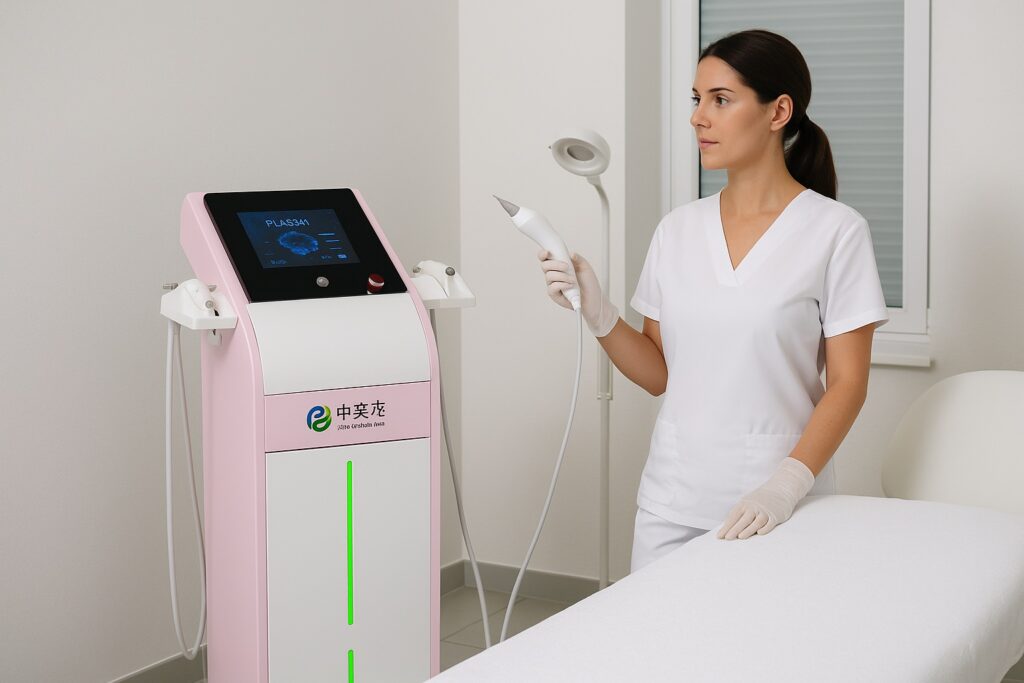
Lightweight handpiece and interchangeable tips allow clinicians to work longer with better accuracy.
✔ 5. Training & Support
A reliable supplier must offer:
- Professional training
- Clinical protocols
- Post-sales technical support
- Access to consumables and spare parts
3. Clinical Indications for PlasmaHeal X4
Aesthetic Dermatology
- Non-surgical eyelid lift
- Upper and lower eyelid tightening
- Wrinkle reduction (crow’s feet, forehead lines)
- Skin tag and wart removal
- Age spots and hyperkeratotic lesions
- Stretch mark improvement
Scars & Regeneration
- Acne scars
- Surgical scars
- Atrophic and hypertrophic scar remodeling
Dentistry & Oral Applications
(based on practitioner credentials and regional regulations)
- Tissue coagulation
- Periodontal tissue rejuvenation
- Bacterial reduction
4. Patient Selection Guidelines
Ideal candidates:
- Mild to moderate eyelid laxity
- Fine lines and wrinkles
- Patients seeking non-surgical tightening
- Those who cannot undergo CO₂ laser or surgical blepharoplasty
Not ideal / contraindicated:
- Active infection at treatment site
- Severe eyelid ptosis requiring surgery
- Pacemaker or implanted electronic devices
- Pregnancy (precautionary)
- Fitzpatrick VI (requires expert evaluation due to pigmentation risk)
5. Step-by-Step Treatment Protocol Using PlasmaHeal X4
A generalized clinical workflow:
Step 1 — Consultation
- Evaluate skin type
- Review medical history
- Explain expected results and downtime
- Obtain informed consent
Step 2 — Preparation
- Cleanse treatment area
- Apply topical anesthetic (20–30 minutes)
- Position the patient comfortably
Step 3 — Using the Device
- Select the appropriate power level
- Maintain 0–1 mm distance from skin (no contact)
- Apply plasma dots in a grid pattern
- Avoid over-treating sensitive areas
- Continue until desired contraction is achieved
Step 4 — Immediate Post-Procedure Care
- Apply soothing gel (non-occlusive)
- Advise patient to avoid sun, water exposure, and makeup for 24–48 hours
- Micro-scabs will form and fall naturally in 5–7 days
6. Aftercare Protocol for Patients
Provide patients with written instructions:
✔ Do:
- Use SPF 50 daily
- Apply recommended healing creams
- Keep the area dry for 24 hours
✘ Avoid:
- Scratching or removing scabs
- Heavy sweating, sauna, or swimming
- Direct sun exposure
- Harsh skincare products for 1 week
7. Expected Results & Timeline
- Immediate skin contraction
- Visible improvement within 7–10 days
- Collagen remodeling continues for up to 8–12 weeks
- 1–3 sessions may be required depending on indication
8. Safety Considerations for Clinics
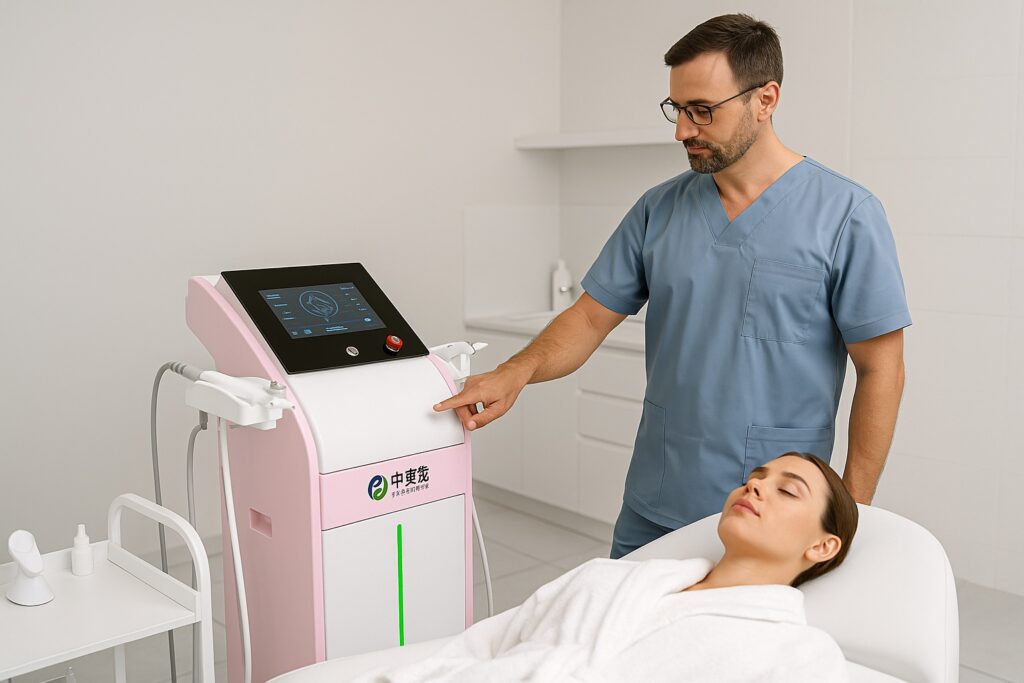
To ensure maximum safety:
- Use only medical-grade sterile tips
- Avoid overlapping treatment zones
- Follow correct energy settings
- Verify patient contraindications
- Keep a fire-safe environment (plasma arc creates heat)
9. FAQs for Clinics Using PlasmaHeal X4
1. How long does each session take?
Typically 15–30 minutes depending on area size.
2. Is the treatment painful?
Topical anesthesia significantly reduces discomfort. Most patients report mild heat sensation.
3. Can PlasmaHeal X4 replace surgical blepharoplasty?
It is ideal for mild to moderate laxity. Severe cases still require surgery.
4. How long is downtime?
Swelling 1–3 days, scabs 5–7 days, full healing around 7–10 days.
5. What training is required?
Professional hands-on training is strongly recommended for safe operation, especially around the eyes.
6. How often can patients repeat the treatment?
Every 6–12 weeks depending on skin response.
7. Can clinics combine it with other treatments?
Yes — commonly combined with RF, microneedling, or PRP, but not on the same day.
8. Does PlasmaHeal X4 work on darker skin tones?
It can, but requires expert evaluation to reduce risk of PIH (post-inflammatory hyperpigmentation).
10. Conclusion
The PlasmaHeal X4 is a highly versatile, clinic-friendly plasma device capable of addressing a wide range of dermatological, regenerative, and cosmetic needs. With proper patient selection, standardized protocols, and professional training, clinics can achieve consistent, safe, and impressive treatment outcomes.