
Introduction
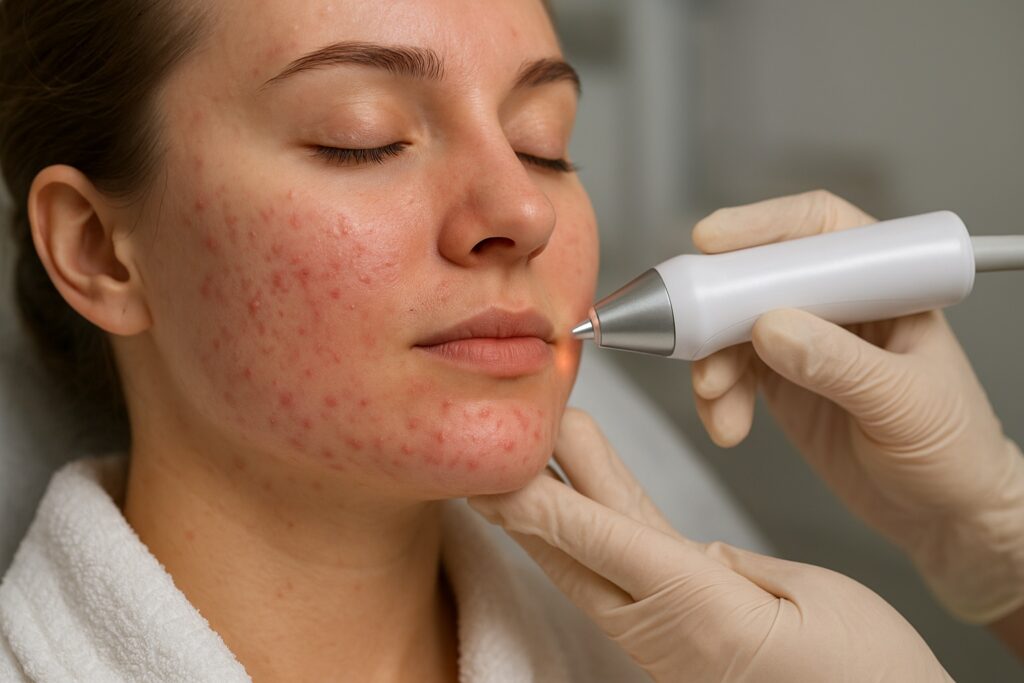
Acne is a common skin condition that affects millions globally. While traditional treatments like topical creams, oral medications, and chemical peels work for many, plasma therapy for acne is emerging as a highly effective solution for stubborn acne and acne scars.
Plasma therapy leverages ionized gas energy to destroy acne-causing bacteria, reduce inflammation, and stimulate collagen for smoother, clearer skin. With minimal downtime, it is quickly becoming a favorite among dermatologists and patients alike.
What is Acne Plasma Treatment?
Acne plasma treatment is a non-invasive dermatological procedure using plasma energy to:
- Target acne-causing bacteria
- Reduce redness and inflammation
- Stimulate collagen and skin regeneration
Also known as plasma skin resurfacing or plasma pen therapy, it can improve both active acne and post-acne scars effectively.
Types of Plasma Treatments for Acne
| Plasma Type | How It Works | Main Uses | Downtime | Pain Level |
|---|---|---|---|---|
| Cold Plasma Therapy | Non-thermal plasma kills bacteria | Active acne | Minimal | Low |
| Plasma Pen / Fibroblast | Thermal plasma stimulates collagen | Acne scars, fine lines | 5–7 days | Moderate |
| Plasma-Rich Growth Factor (PRGF) | Uses plasma from patient’s blood | Acne scars, skin rejuvenation | Minimal | Low |
Tip: Cold plasma is ideal for active breakouts, while plasma pen is better for scar reduction.
How Acne Plasma Treatment Works
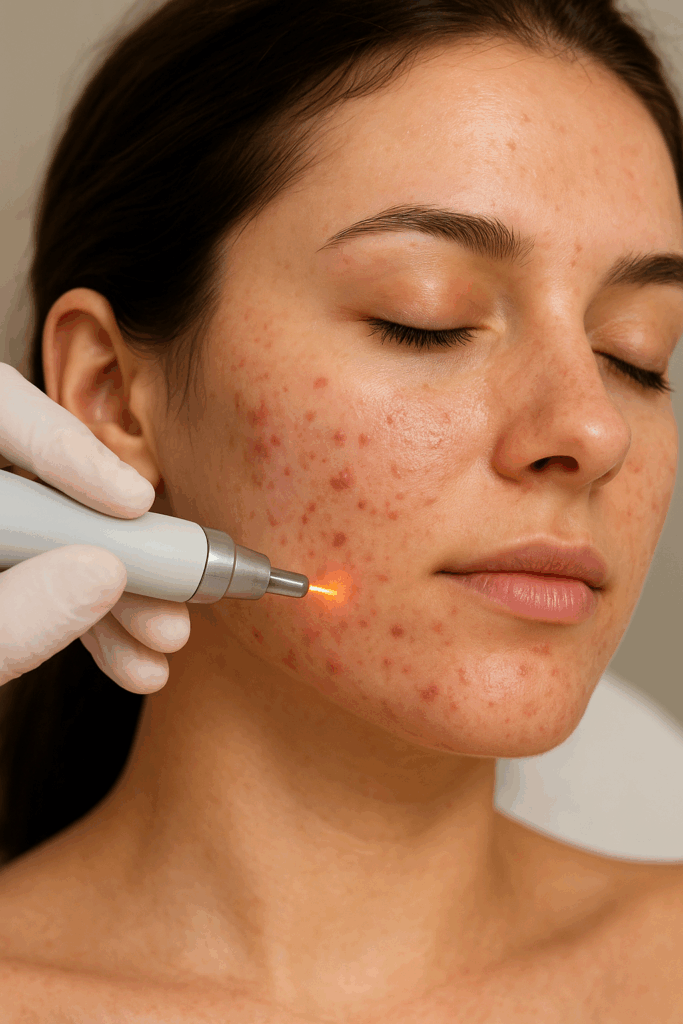
Plasma therapy treats acne through three mechanisms:
- Antibacterial Effect: Plasma generates reactive oxygen species (ROS) that kill Propionibacterium acnes.
- Anti-Inflammatory Action: Reduces redness, swelling, and irritation.
- Skin Regeneration: Stimulates fibroblasts to produce collagen and improve skin texture.
Benefits of Plasma Therapy for Acne
- Non-invasive with minimal side effects
- Treats active acne and acne scars simultaneously
- Reduces pore size and sebum production
- Promotes collagen production and skin rejuvenation
- Faster healing than laser resurfacing in some cases
Step-by-Step Procedure
- Consultation: Dermatologist assesses skin type and acne severity.
- Preparation: Cleansing, and topical anesthetic may be applied.
- Plasma Treatment: Device releases plasma energy over affected areas.
- Post-Treatment Care: Soothing creams and sun protection applied.
- Follow-Up: 3–5 sessions, spaced 3–4 weeks apart, are typically recommended.
Before and After Care
Before Treatment:
- Avoid sun exposure 1–2 weeks before treatment
- Stop retinoids, acids, and exfoliating products
- Keep skin hydrated and clean
After Treatment:
- Use sunscreen daily (SPF 30+)
- Avoid picking or scratching the treated area
- Use gentle cleansers and moisturizers
- Mild redness or swelling may occur for 2–3 days
Potential Side Effects
| Side Effect | Frequency | Severity | Notes |
|---|---|---|---|
| Redness | Common | Mild | Resolves in 24–72 hrs |
| Swelling | Occasional | Mild | Lasts 1–2 days |
| Crusting/Scabbing | Rare | Mild–Moderate | Heal naturally; do not pick |
| Hyperpigmentation | Rare | Moderate | More likely in darker skin types |
| Infection | Very rare | Severe | Proper aftercare prevents risk |
Plasma vs Other Acne Treatments
| Treatment | Invasiveness | Effectiveness | Downtime | Scar Treatment |
|---|---|---|---|---|
| Plasma Therapy | Non-invasive | High | Low | Moderate–High |
| Topical Creams | Non-invasive | Moderate | None | Low |
| Oral Medications | Non-invasive | Moderate–High | None | Low |
| Laser Resurfacing | Minimally invasive | High | Moderate | High |
| Chemical Peels | Non-invasive | Moderate | Low | Moderate |
Introducing PlasmaHeal X4: Advanced Plasma Therapy for Acne Treatment
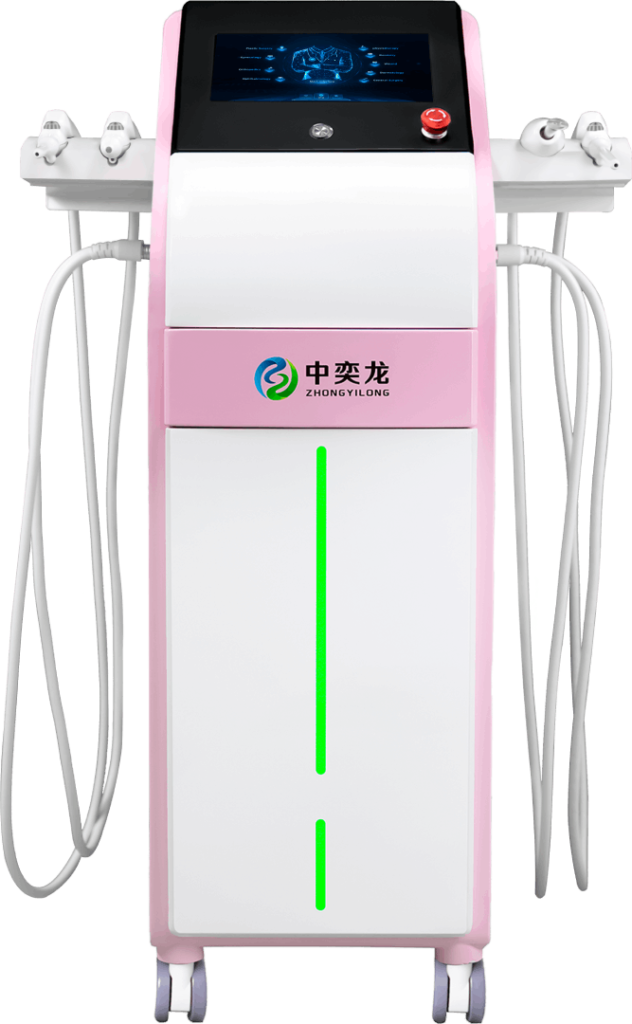
For those seeking a cutting-edge solution to acne, the PlasmaHeal X4 stands out as a revolutionary device in the realm of dermatology. This advanced system combines four distinct plasma technologies—Spark Plasma, Helium Cold Plasma, Air Plasma, and Dielectric Barrier Discharge (DBD) Plasma—to deliver comprehensive and effective acne treatment.
The DBD Plasma technology enhances cell activity and blood circulation, promoting better skin texture and reducing inflammation. Its ability to generate ozone within the skin layers aids in sterilization, effectively treating active acne and improving overall skin health. Meanwhile, Helium Cold Plasma operates at low temperatures, offering a painless and safe treatment option, especially for sensitive skin areas. Its antibacterial properties accelerate healing and reduce infection risks.
For more information on how the PlasmaHeal X4 can transform your acne treatment regimen, visit PlasmaHeal X4: Where Innovation Meets Healing.
Frequently Asked Questions (FAQs)
Q1: Is plasma treatment painful?
A: Pain is usually mild; topical anesthetics can help.
Q2: How many sessions are required?
A: Typically 3–5 sessions spaced 3–4 weeks apart.
Q3: Can plasma therapy treat both active acne and scars?
A: Yes, it targets inflammation and stimulates scar healing.
Q4: Are results permanent?
A: Long-lasting with proper skincare; acne may recur due to hormones or lifestyle.
Q5: Who should avoid plasma therapy?
A: Pregnant women, people with severe skin infections, or certain chronic skin conditions.
Conclusion
Acne plasma treatment is a safe, effective, and innovative solution for both active acne and acne scars. Its minimal downtime, antibacterial effect, and skin regeneration properties make it an ideal option for those seeking lasting skin improvement. Always consult a certified dermatologist to determine suitability for your skin type.