
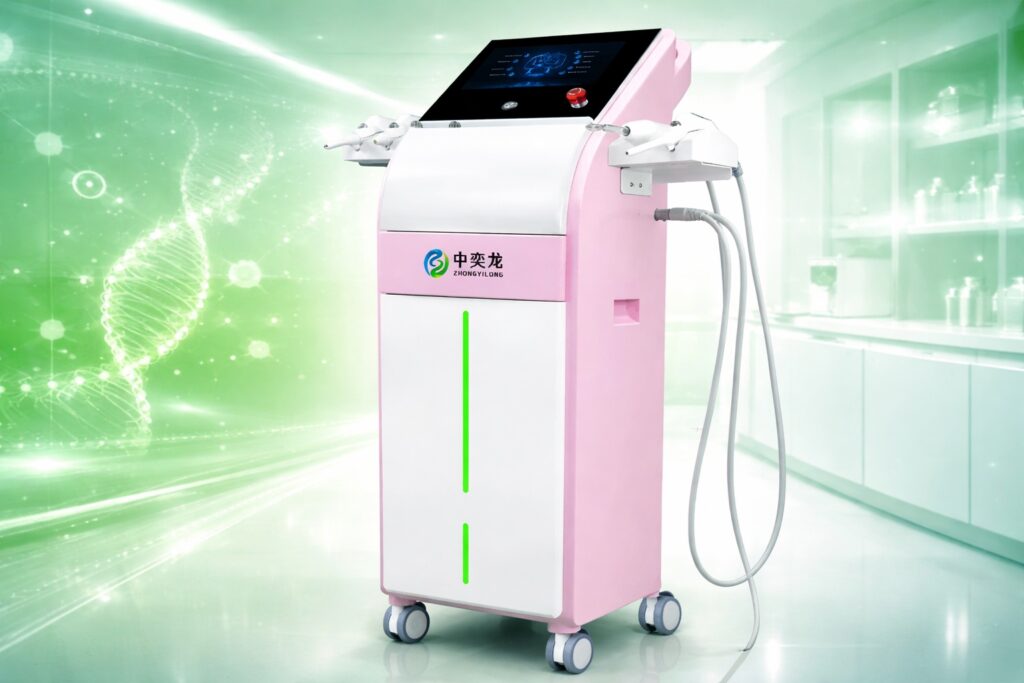
Medical plasma technology—particularly cold atmospheric plasma (CAP)—has rapidly evolved from a laboratory concept into a clinically relevant therapeutic tool. As we move into 2026, plasma-based medical solutions are gaining wider acceptance across dermatology, wound care, orthopedics, dentistry, and infection control.
Driven by advances in biomedical engineering, nanotechnology, and AI-assisted treatment planning, plasma medicine is entering a new phase—one focused on precision, safety, and scalability. This article explores the key trends, emerging innovations, and future applications shaping plasma medical technology in 2026 and beyond.
What Is Medical Plasma Technology?
Medical plasma refers to ionized gas at near-room temperature that contains reactive oxygen and nitrogen species (RONS), electrons, ions, and UV photons. Unlike thermal plasma, cold plasma does not damage healthy tissue, making it suitable for direct medical use.
Its therapeutic effects include:
- Antimicrobial action
- Enhanced tissue regeneration
- Modulation of inflammation
- Improved microcirculation
Key Trends in Medical Plasma Technology (2026)
1. Precision-Controlled Plasma Devices
In 2026, plasma systems are becoming increasingly parameter-driven, allowing clinicians to precisely control:
- Energy output
- Plasma density
- Treatment duration
- Target tissue depth
This enables personalized plasma therapy, reducing side effects while maximizing therapeutic outcomes.
2. Integration with Artificial Intelligence
AI-assisted plasma platforms are emerging, offering:
- Automated treatment protocols
- Real-time tissue response monitoring
- Adaptive dosage control
These systems analyze patient-specific data to optimize plasma exposure, improving consistency and safety in clinical settings.
3. Expansion into Chronic and Complex Wound Care
Plasma therapy is increasingly adopted for:
- Diabetic foot ulcers
- Pressure ulcers
- Post-surgical wounds
- Burn injuries
Clinical evidence supports plasma’s ability to accelerate healing, reduce infection rates, and promote angiogenesis.
4. Growth in Aesthetic and Dermatological Applications
In aesthetic medicine, plasma technology is advancing in:
- Acne treatment
- Skin rejuvenation
- Scar and stretch mark reduction
- Post-procedure recovery enhancement
Non-invasive plasma devices are favored due to minimal downtime and reduced risk compared to laser-based therapies.
5. Antimicrobial Resistance (AMR) Solutions
With antibiotic resistance becoming a global concern, plasma offers a non-pharmaceutical antimicrobial approach capable of neutralizing:
- Bacteria
- Viruses
- Fungi
- Biofilms
Importantly, plasma does not induce microbial resistance.
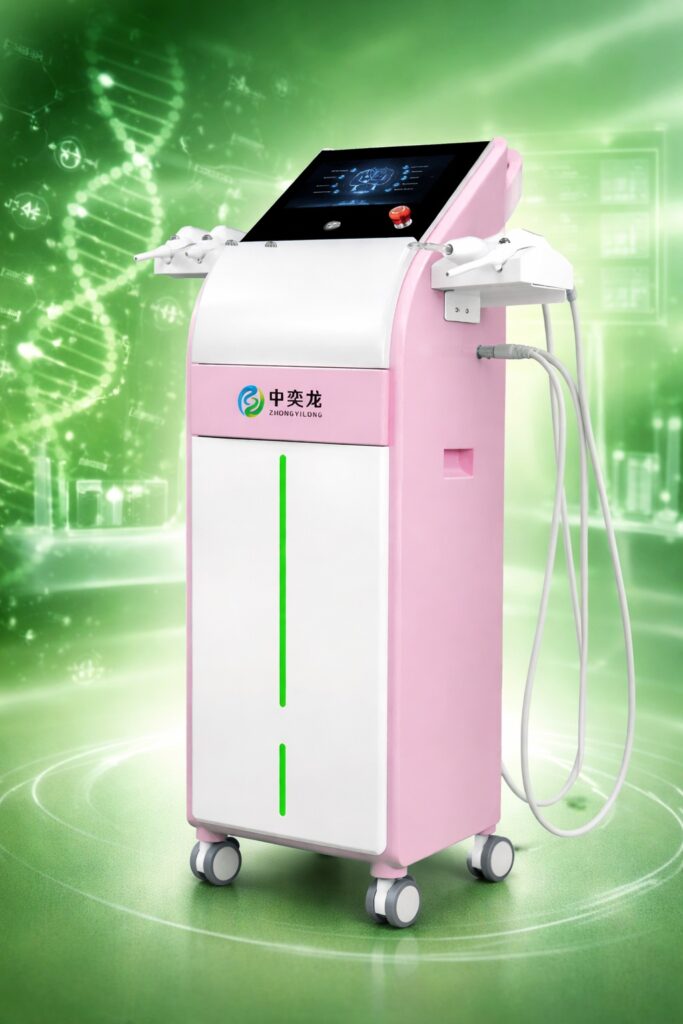
Major Innovations Shaping Plasma Medicine
Portable and Clinic-Ready Systems
Next-generation devices are:
- Compact and portable
- Easier to integrate into outpatient clinics
- Designed for multi-specialty use
This accessibility is accelerating adoption worldwide.
Plasma + Combination Therapies
Innovative protocols combine plasma with:
- PRP (Platelet-Rich Plasma)
- Topical growth factors
- Stem-cell-based treatments
These synergistic approaches enhance regenerative outcomes.
Enhanced Safety and Regulatory Compliance
Manufacturers are aligning plasma systems with:
- International medical device standards
- Improved electrode insulation
- Stable plasma generation
This boosts clinician confidence and regulatory acceptance.
Future Applications of Medical Plasma
Looking beyond 2026, plasma medicine is expected to expand into:
- Oncology: Targeted plasma-induced apoptosis in cancer cells
- Dentistry: Periodontal therapy and implant sterilization
- Orthopedics: Joint inflammation and tissue repair
- Emergency Medicine: Rapid disinfection and wound stabilization
Ongoing clinical trials suggest plasma technology may soon become a standard adjunct therapy across multiple disciplines.
Benefits of Medical Plasma Technology
✔ Non-invasive and painless
✔ Minimal side effects
✔ No drug interactions
✔ Effective against resistant pathogens
✔ Suitable for repeated treatments
Frequently Asked Questions (FAQ)
Is plasma therapy safe for patients?
Yes. Cold atmospheric plasma operates at near-body temperature and is clinically tested for safety when used according to medical guidelines.
Does plasma therapy cause pain or tissue damage?
No. Patients typically experience little to no discomfort, and plasma selectively affects pathogens and damaged tissue without harming healthy cells.
Can plasma replace antibiotics?
Plasma is not a replacement but a powerful complementary tool, especially effective in managing infections resistant to antibiotics.
How long does a plasma treatment session take?
Most sessions last between 2 to 10 minutes, depending on the indication and treatment area.
Is plasma therapy suitable for all patients?
While generally safe, treatment suitability depends on clinical evaluation. Medical supervision is essential.
Conclusion
In 2026, medical plasma technology stands at the intersection of innovation, safety, and clinical effectiveness. With expanding applications, smarter devices, and growing scientific validation, plasma medicine is redefining modern therapeutic approaches.
As healthcare systems seek non-invasive, drug-free, and efficient treatment options, plasma therapy is poised to become a cornerstone of next-generation medical care.